

Die Cast Heatsinks: Benefits & Applications
What Are Die Cast Heatsinks?
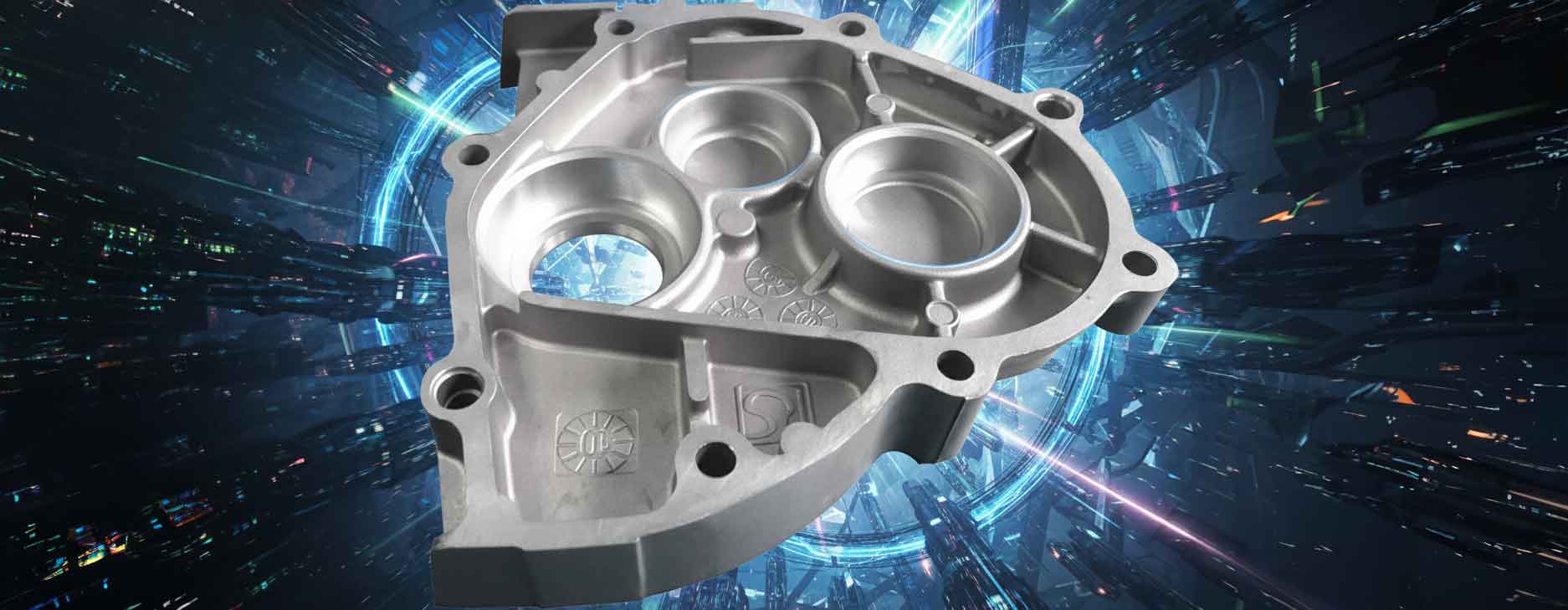
Die-cast heatsinks are produced by injecting molten aluminum (typically alloys like A380, A383, ADC12) into precision steel molds. This process creates complex, detailed heatsink shapes that would be difficult—or impossible—to manufacture using extrusion or machining alone.
Die casting is ideal for high-volume production where design flexibility, mechanical strength, and integrated features are key.
Benefits of Die Cast Heatsinks
1. Complex Shapes & Integrated Features
Die casting allows designers to include features directly in the part, such as:
- Mounting bosses
- Threaded inserts
- Airflow guides
- Enclosures or housings
- Internal channels
- Snap fits and locking tabs
This reduces assembly cost and simplifies product design.
2. Excellent for Compact Designs
Complex geometries and thin walls can be formed with high precision, making die-cast heatsinks suitable for:
- Small enclosures
- Multi-function housings
- Space-constrained electronics
3. Strong & Dimensionally Stable
Die-cast alloys provide:
- High mechanical strength
- Good durability
- Repetitive consistency across large volumes
This is ideal for rugged electronics and structural cooling components.
4. High-Volume Cost Efficiency
Once the tooling is created, die casting enables:
- Fast production rates
- Very low per-unit cost
- Excellent repeatability
Perfect for mass-produced electronics.
5. Good Surface Finish
Die casting naturally delivers smooth surfaces that can be:
- Anodized
- Powder-coated
- Painted
- Plated
This improves appearance, durability, and sometimes thermal radiation.
6. Ability to Combine Enclosure + Heatsink
Die casting allows the heatsink to be built directly into the product body, enabling:
- Integrated electronics housings
- Waterproof or IP-rated enclosure-heatsink combinations
- Weight and cost reduction by eliminating multiple parts
7. Design Flexibility Beyond Extrusion
Unlike extruded heatsinks, die cast heatsinks can feature:
- Curved or angled fins
- Variable fin thickness
- Radial patterns
- Heat-spreading bases of complex shapes
This enables optimized airflow and innovative thermal designs.
Applications of Die Cast Heatsinks
Die-cast heatsinks are used in industries that require durable, compact, and high-volume thermal solutions:
LED Lighting
- Street lights
- Automotive LED modules
- Commercial & architectural lighting
- Stadium and floodlights
Consumer Electronics
- Set-top boxes
- Wireless chargers
- Home appliances
- Audio amplifiers
Automotive & Transportation
- Control modules
- ECUs & power electronics housings
- EV charging components
Telecom & Networking
- Antennas
- Base station housings
- Outdoor RF units (IP65/IP67-rated)
Industrial & Medical Equipment
- Sensors & controllers
- Test instruments
- Sealed electronics housings
Aerospace & Defense
- Ruggedized electronics
- Custom enclosures with integrated fins
When Die Casting is the Best Choice
Choose die cast heatsinks when you need:
- High-volume production
- Complex geometry
- Integrated features & enclosure design
- Strong, durable housings
- Cost-efficient mass manufacturing
Die casting offers unmatched design freedom and the ability to combine multiple components into a single, thermally efficient part.
To find out more about our capabilities, and discuss your application, give us a call or send us an email right now